Habitat Universal Furniture [concept]:
Key take-aways:
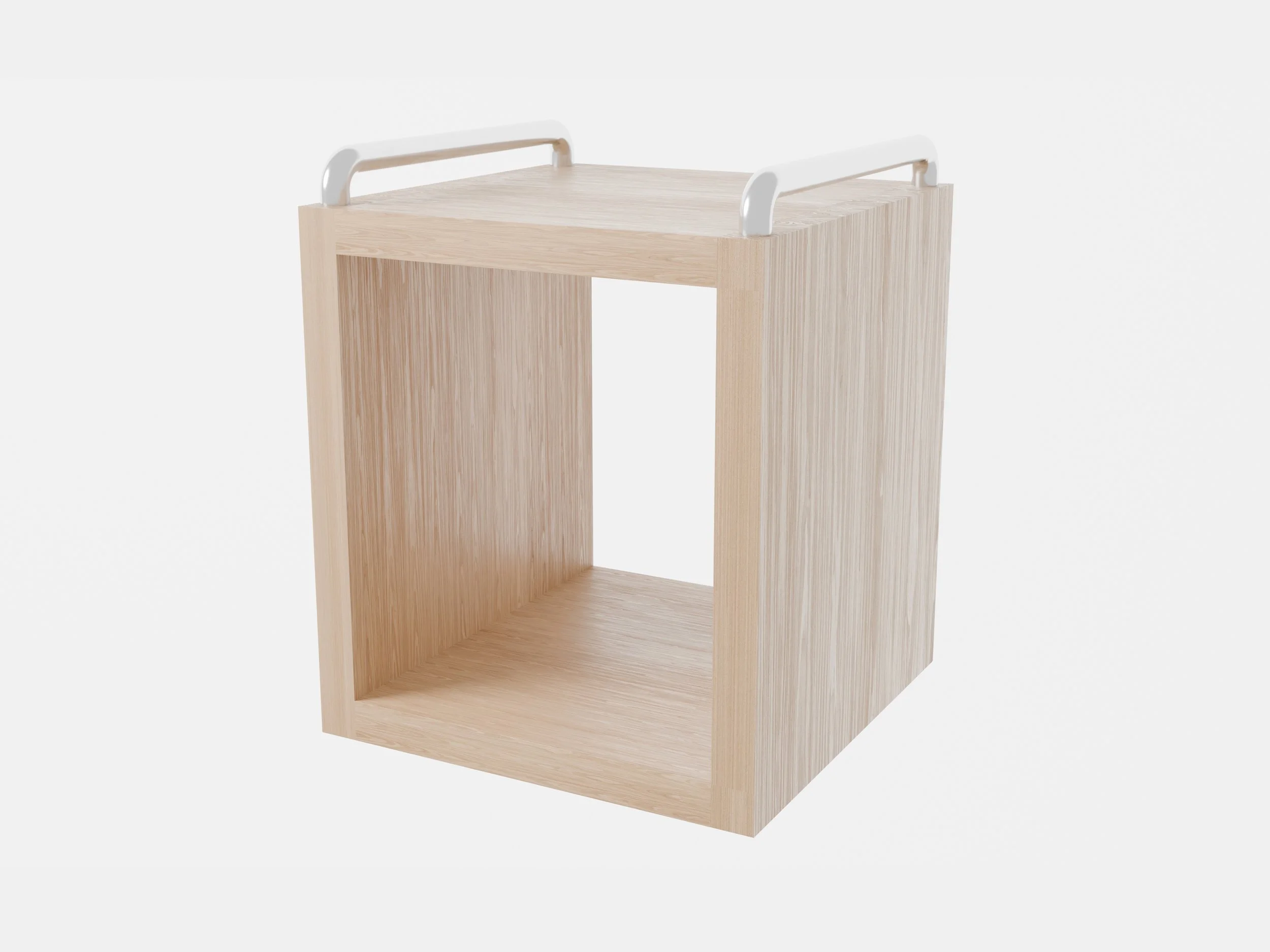
I designed this modular furniture in the style of the company Habitat. While this influenced the design aesthetics, the underlying concept stands on its own.
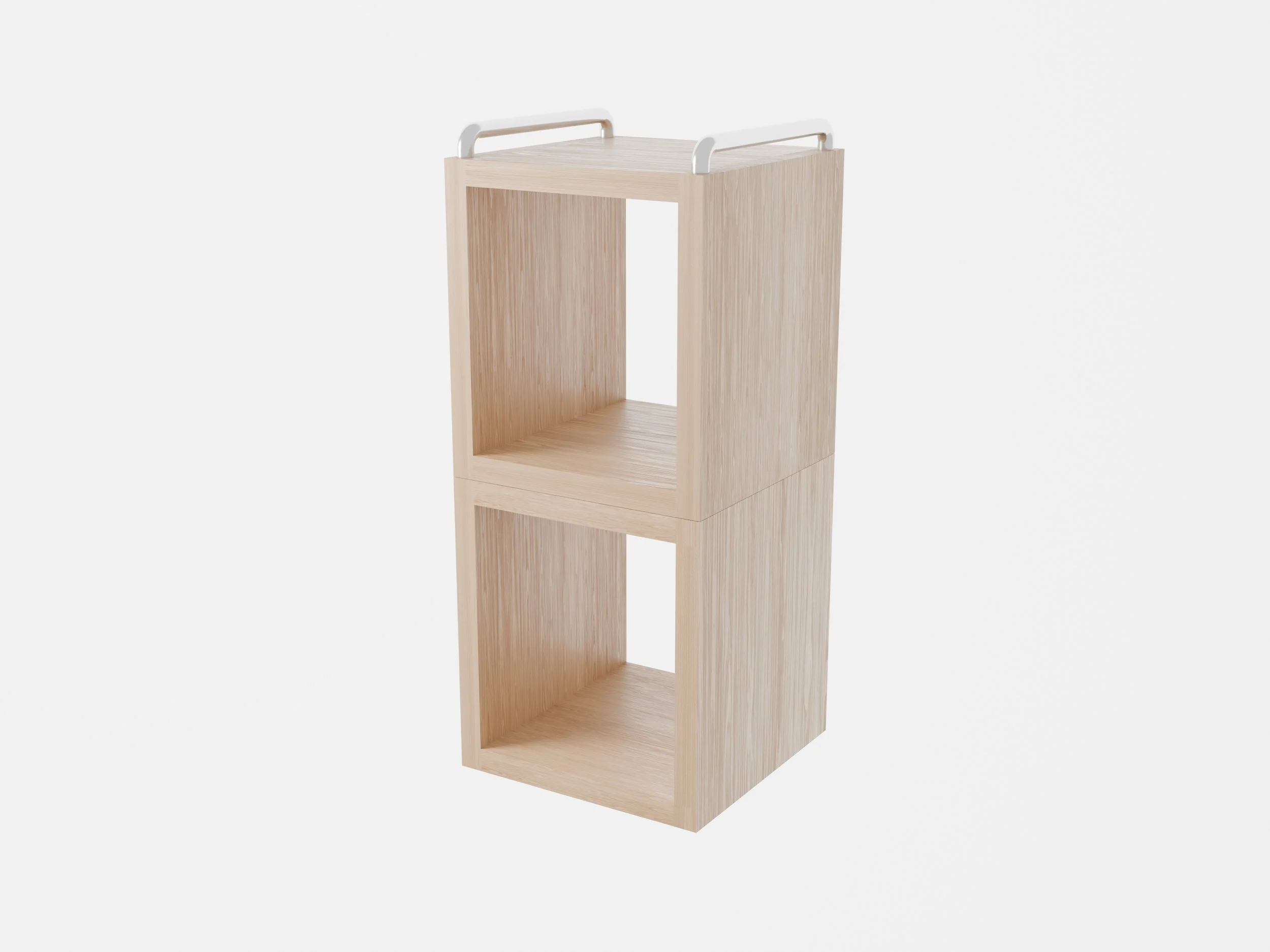
The line that best describes what it does is, “Like giant lego bricks, but furniture”. This means, the user buy many of them and, if they wanted to, replace most of the furniture in their house with these combined with various add ons.
Development:
Goals:
The brief was to create something that was either; modular, had movement or self-assembly and in the style of the Habitat furniture company.
I came up with several ideas for each, including a chair made of only three pieces and a couch that could change how many it could sit. Ultimately I chose the modular pathway as I found it to be the most interesting, and to have good marketing opportunities if taken forwards.
Research:
Research consisted of looking into; current modular furniture, habitat furniture design styles, and what furniture is most common in different rooms of peoples homes.
Direction decisions:
Based on my research I decided to create a modular piece that could not just limited to one use case that could be made bigger or upgraded, but instead a furniture system that can have many purposes and could be expanded.
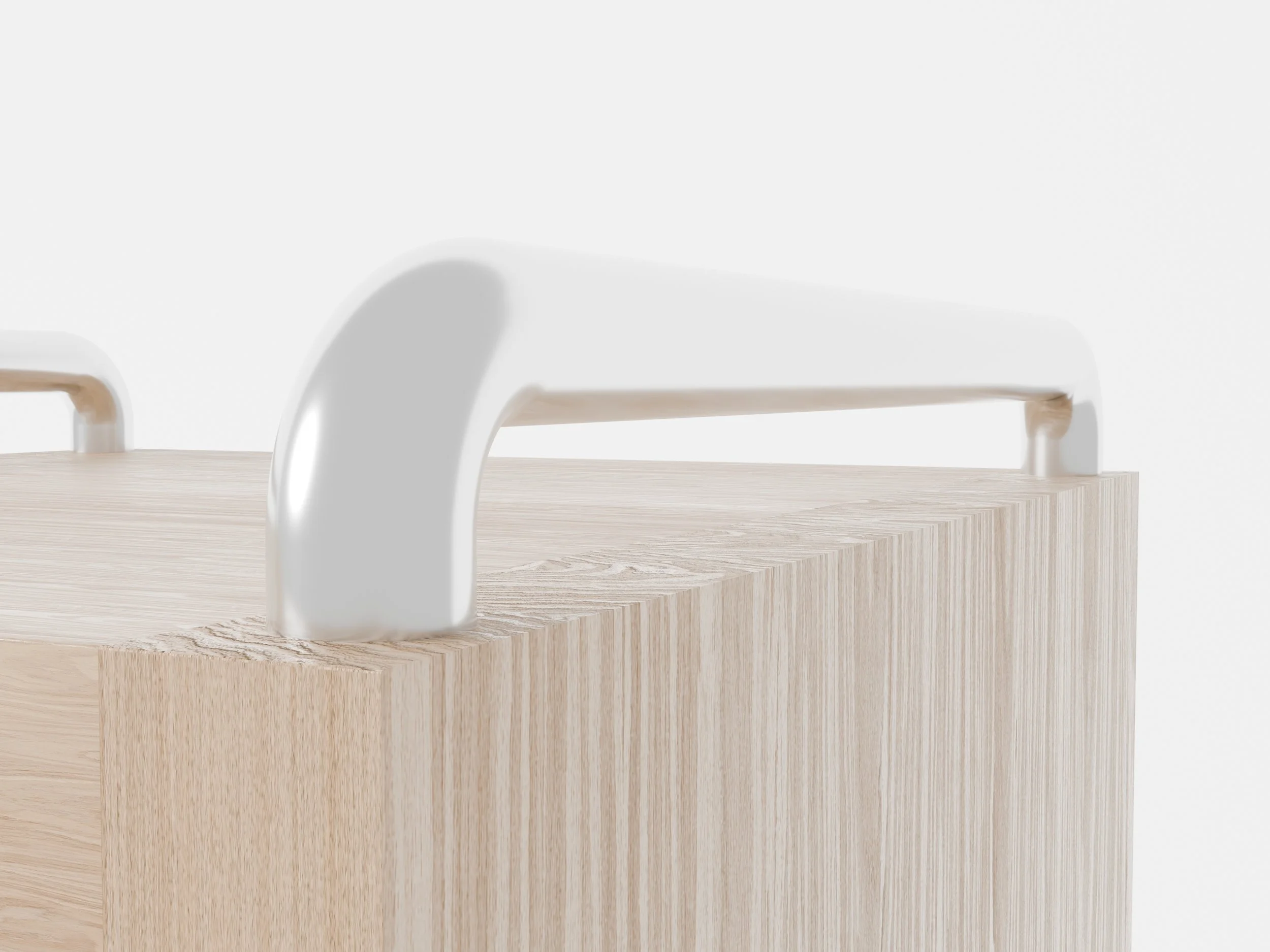
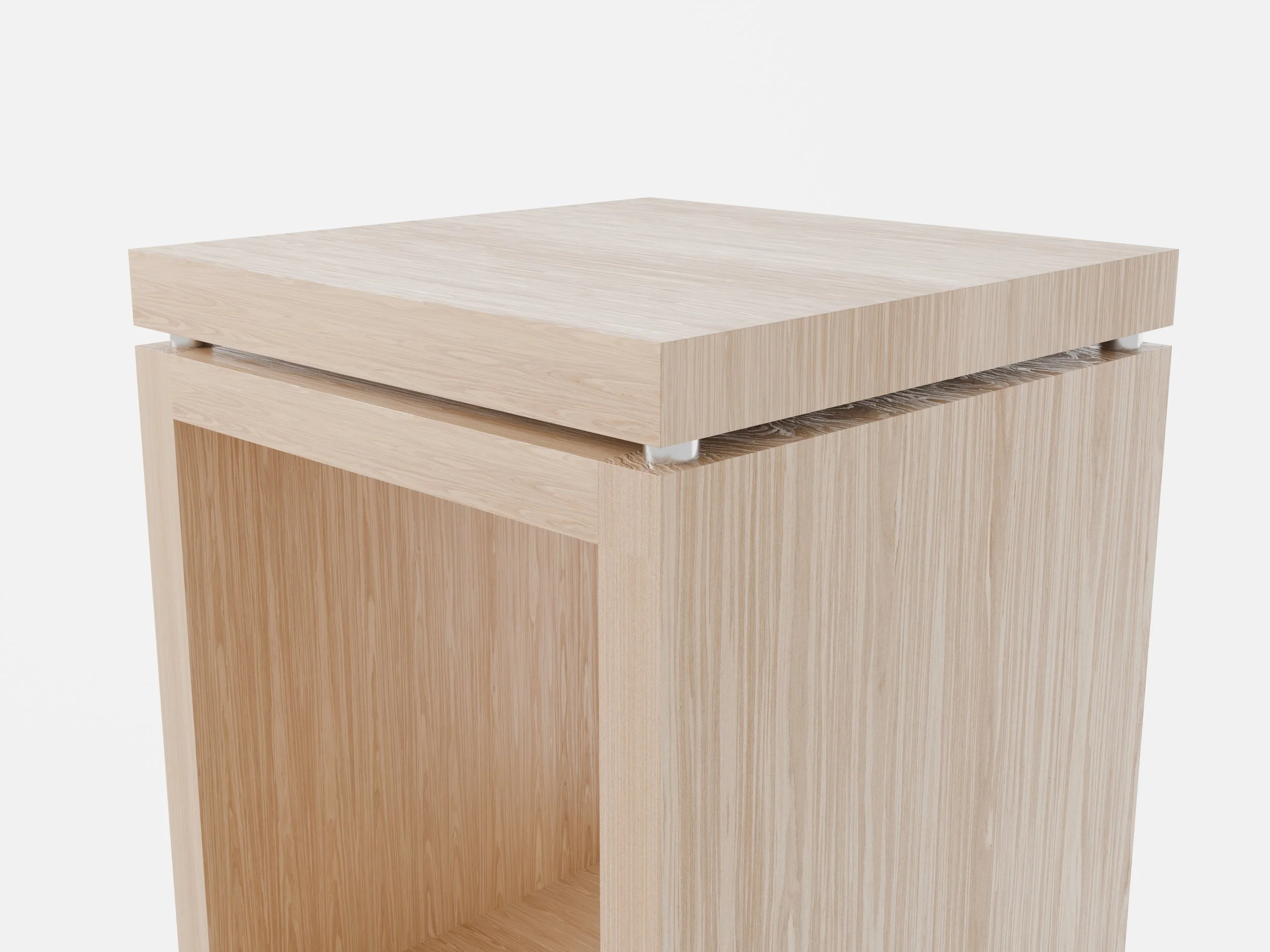
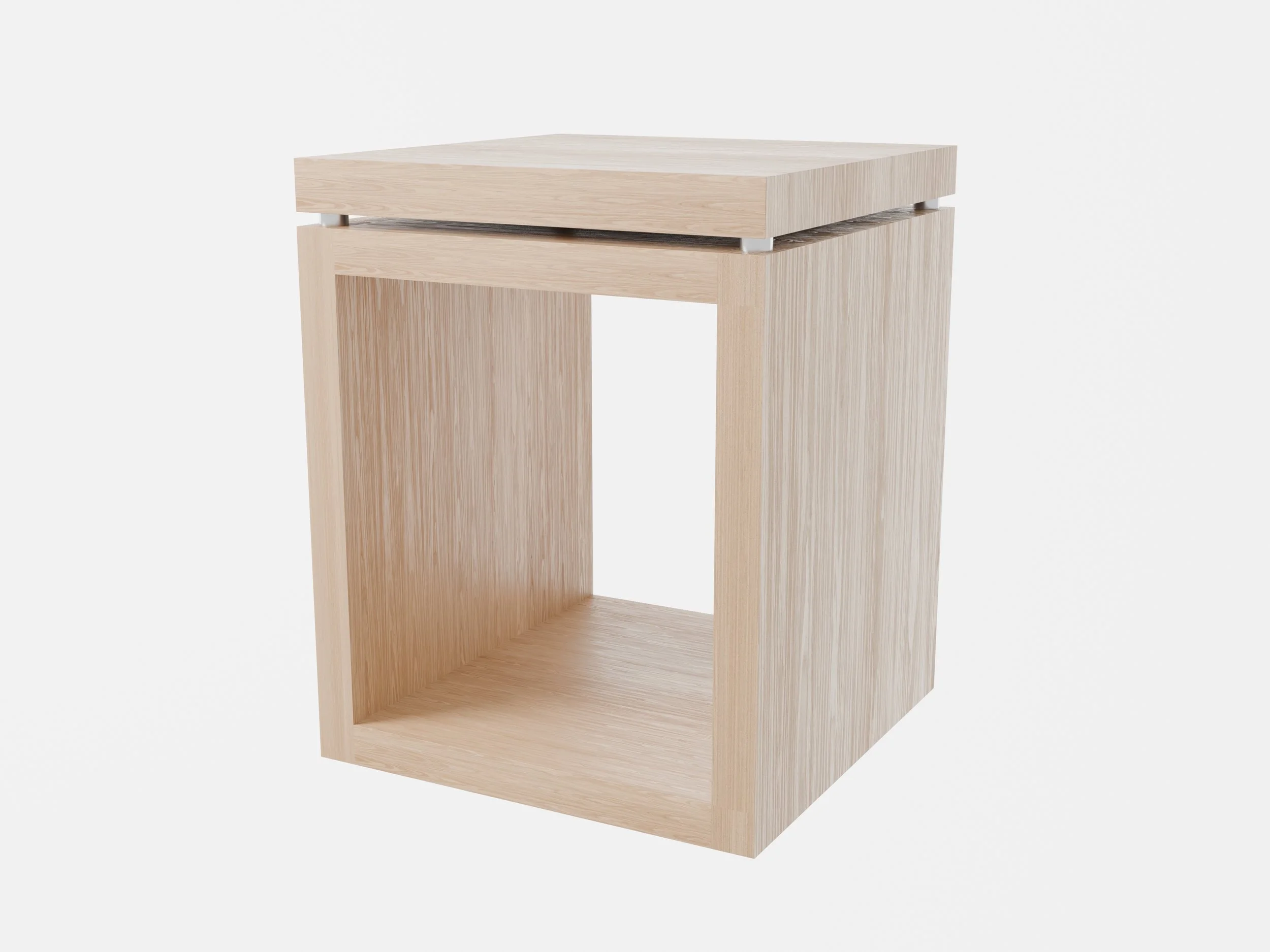
To do this I created a universal interlocking system kind of like lego bricks. This added inserts on the bottom and handles on top so that they can join together.
Additional considerations:
Each one has the same length and breadth so that they can be turned sideways to another and still fit in a flush manner.
Materiality wise, I explored several combinations and also the use of plastics like ABS for the handles, but ultimately the stainless steel and beach wood combination fit the habitat style the best. It also gives them a premium feel and the glossy handles grip well to make moving them easy.
Add ons:
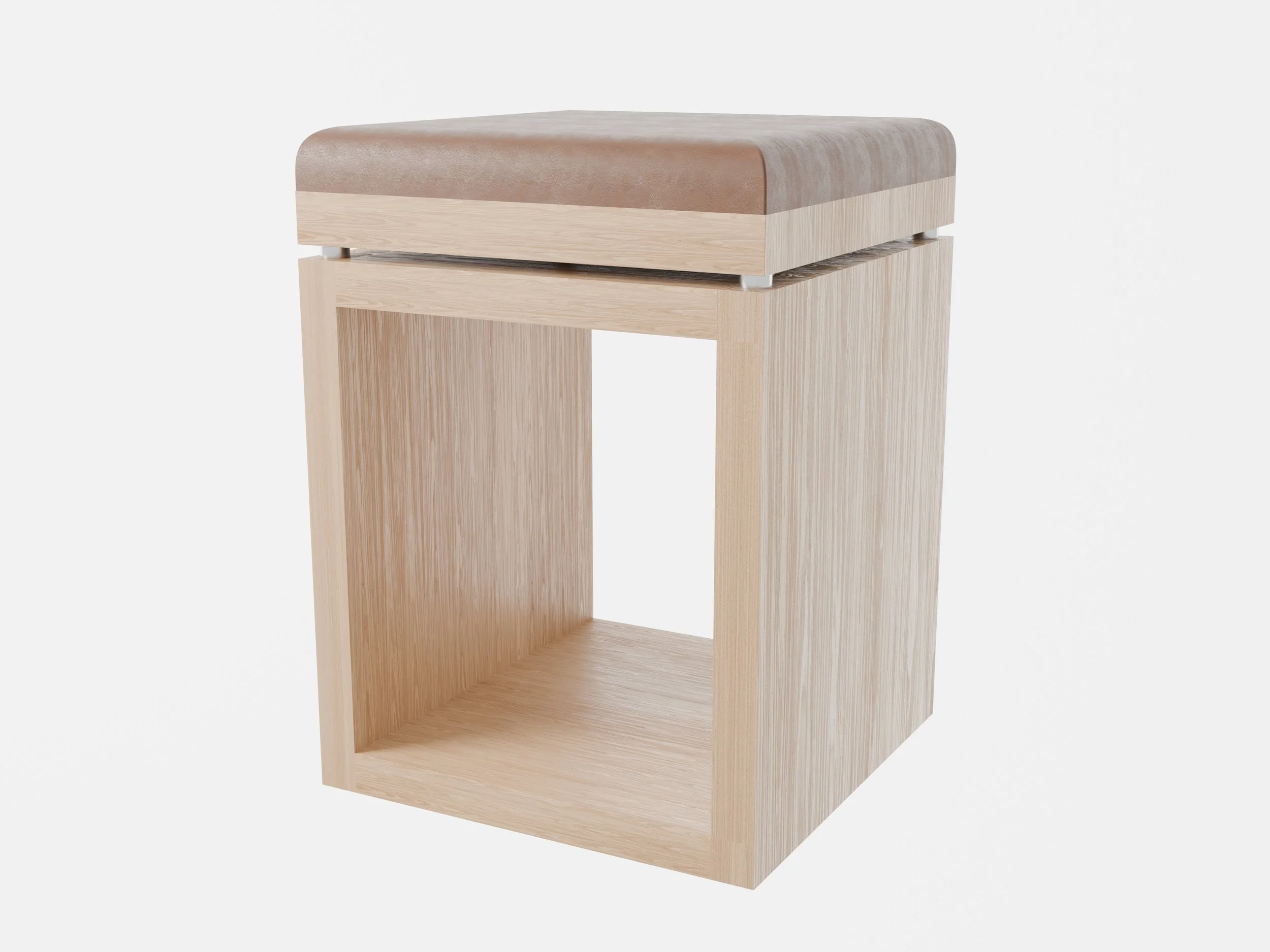
The add ons are a key feature of this design. The handle system allows for not only joining them together but also opening up their capabilities.
Add ons might include cushions or even a simple flat top. This system allows for the user to have lots of these units and technically be able to replace nearly all of the furniture in their living room.
Assembly:
One of my dislikes in design is that I generally don’t like screw head being visible.
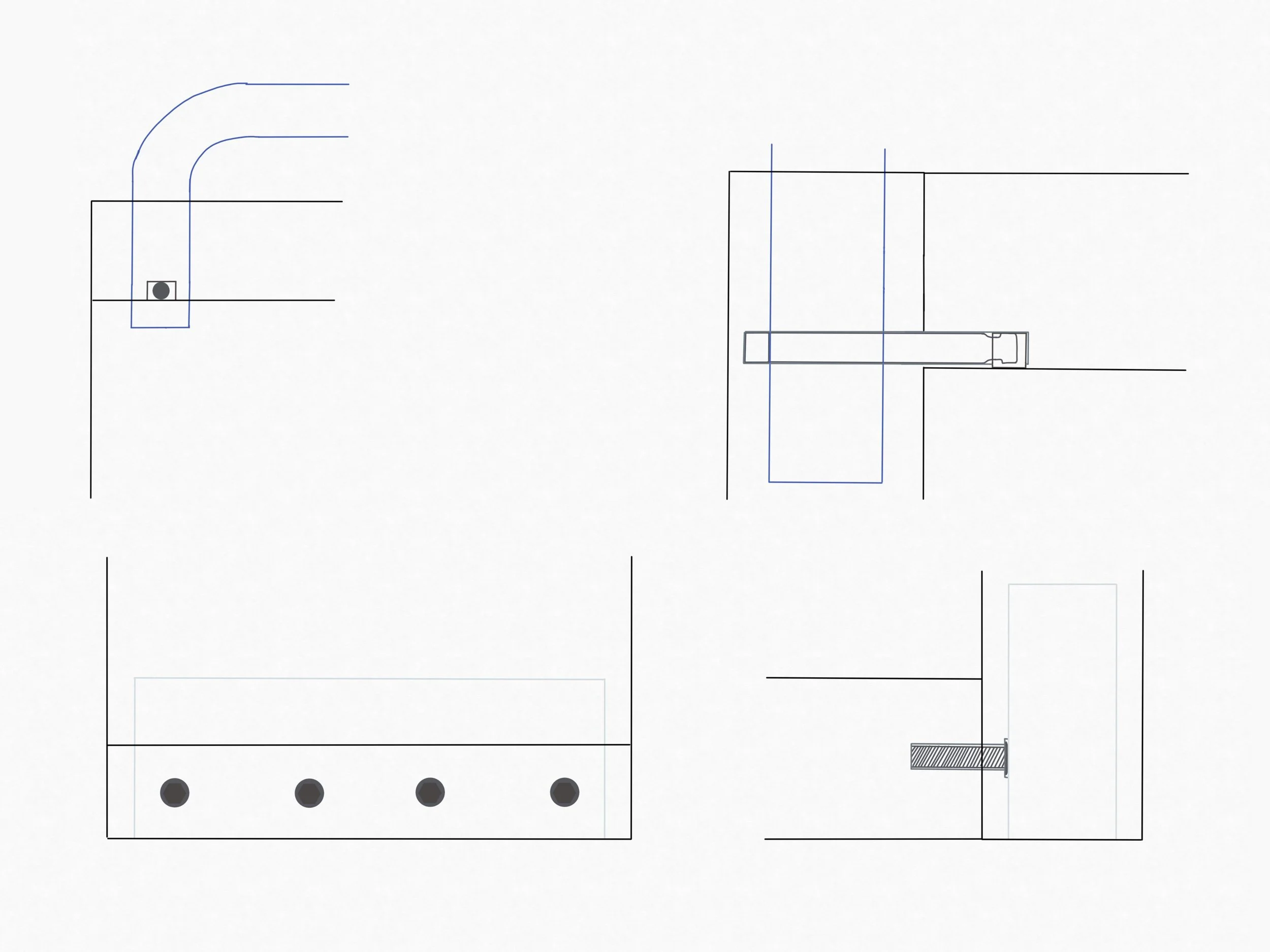
To get around this with this design, I used predrilled holes and then allen key screws that could be reached from the hollowed out sections. An ABS insert is then pushed tightly into the slot to cover the screws.
To connect the handles, I again use predrilled holes. The handle is then dropped into its slot and a cam dowel is pushed into it. Then the second part of the cam dowel is pushed into the bottom of the top and tightened.